What is Mindfulness?
We understand that many people often have a variety of questions about mindfulness as they explore and learn about the practice. This is why we have created an FAQ section on our website to help answer some of the most common questions our clients have.
Mindfulness
Mindfulness is the practice of being fully present and aware in the present moment without judgment. It involves paying deliberate and non-reactive attention to your thoughts, emotions, bodily sensations, and the environment around you as they occur, without becoming caught up in them or reacting impulsively. Mindfulness emphasizes observing your experiences without trying to change them or attach any labels to them.
Mindfulness helps us manage stress, reduce burnout, and enhance overall well-being. It improves focus, emotional regulation, and resilience, which are crucial for personal and professional growth. This space allows us an increased capacity to respond rather than react, enhancing both individual and collective well-being.
Mindfulness isn’t about clearing the mind, suppressing thoughts, or achieving a constant state of calm. It's not a quick fix or a form of escapism. Instead, mindfulness involves actively engaging with our experiences, both positive and challenging, in a way that is open and accepting.
Meditation
Meditation is a deliberate practice that involves focusing one's attention and tempering the usual stream of thoughts. It is an age-old practice found in cultures worldwide
Meditation can encompass a variety of techniques aimed at achieving a state of awareness, relaxation, or spiritual insight. There are various types of meditation, such as loving-kindness meditation, transcendental meditation, and mindfulness meditation. Mindfulness meditation, in particular, is a specific type of meditation that focuses on cultivating mindfulness by directing attention to the present moment and observing thoughts and sensations without judgment.
Character
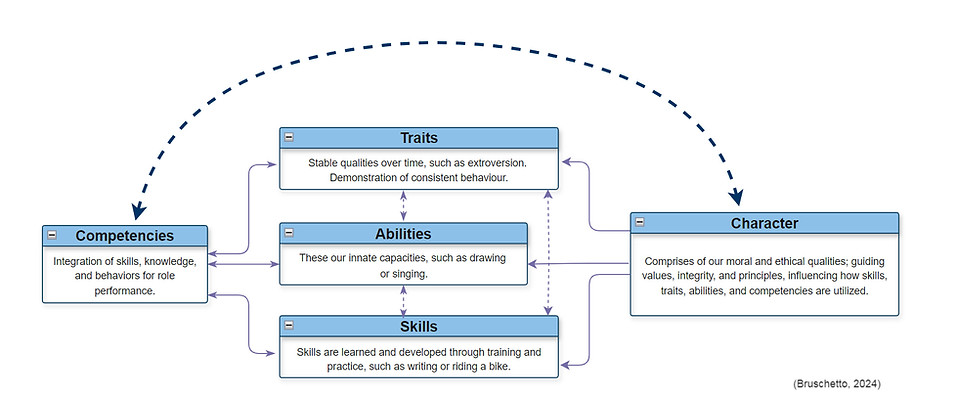
Character refers to the set of qualities, traits, and attributes that define an individual's moral and ethical identity. It encompasses a person's values, beliefs, attitudes, behaviors, and the way they interact with others and the world around them. Character is often considered a fundamental aspect of a person's identity and can influence how they make decisions, respond to challenges, and interact with society.
Character development is a lifelong process that can be influenced by various factors, including upbringing, education, cultural background, and personal experiences. Cultivating a strong character often involves self-reflection, learning from mistakes, and actively working on improving one's moral and ethical values.
How They Work Together
Mindfulness, meditation, and character development work together to support balanced personal growth and greater self-awareness. Through mindfulness, we learn to observe our thoughts, emotions, and reactions without judgment, cultivating clarity in the present moment. Meditation deepens this practice, helping to anchor awareness and enabling us to pause, reflect, and connect more fully with our experiences.
Character development complements these practices by inviting a closer look at our habits, reactions, and tendencies. It’s not about strengthening any one dimension of character, but rather about becoming aware of patterns—those aspects of ourselves that we may overuse or underuse—and learning to bring balance. When individuals recognize, for instance, an inclination toward excessive drive or an underuse of temperance, they can draw on other character dimensions to elevate their responses, bringing out their best qualities in harmony. This dynamic interplay allows for more virtuous behavior, where strengths support one another.
Together, mindfulness, meditation, and character development encourage a more adaptive, resilient, and values-driven life, fostering a mindful, integrated approach to personal growth and leadership.